专注高精密零件CNC零件加工
从设计到机加工,让高品质零件制造更简单
13751188387

13751188387

热搜关键词:
CNC machining, a cornerstone of modern manufacturing, relies heavily on the strategic selection of cutting tools to achieve precision and efficiency in the production of intricate parts. From choosing the right tool material to optimizing tool geometries, every decision impacts the quality and cost-effectiveness of the machining process. In this article, we delve into the depth of CNC machining tool selection strategies to equip you with the knowledge needed to optimize your machining operations.
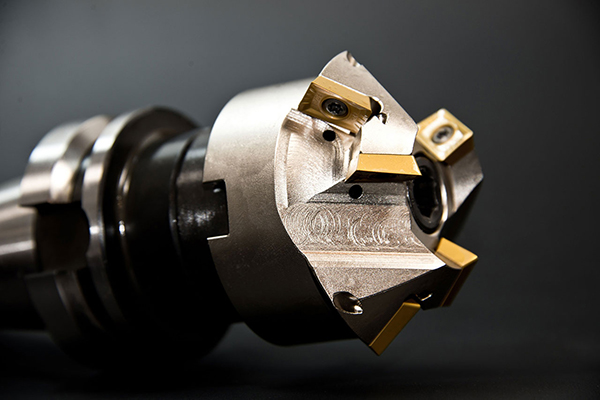
The choice of tool material is paramount in CNC machining, as it directly influences tool life, cutting speed, and surface finish. Common materials include high-speed steel (HSS), carbide, and ceramic. Carbide, known for its high hardness and heat resistance, is favored for its longevity and suitability for high-speed cutting applications. However, in certain scenarios where machining exotic materials or achieving ultra-fine finishes is required, ceramic tools may be preferred due to their exceptional wear resistance and thermal stability.
Beyond material selection, optimizing tool geometry plays a crucial role in enhancing machining performance. Factors such as flute design, rake angle, and edge preparation significantly impact chip evacuation, cutting forces, and surface integrity. For instance, a higher flute count and variable helix angles can improve chip evacuation in high-speed machining, reducing the risk of tool wear and workpiece deformation. Similarly, incorporating advanced coatings like TiAlN or TiCN can enhance tool life by reducing friction and heat generation during cutting.
Tailoring tool selection to specific machining applications is essential for maximizing efficiency and quality. For roughing operations, robust tools with aggressive geometries are preferred to remove material rapidly, while finishing requires finer tools with polished edges to achieve superior surface finishes. Additionally, considering factors such as workpiece material, part geometry, and machine capabilities is crucial for selecting the most suitable tooling solution. Whether it's contouring complex profiles or drilling precise holes, matching the right tool to the task at hand ensures optimal results.
In conclusion, the success of CNC machining hinges on meticulous tool selection strategies that balance performance, cost, and quality. By understanding the nuances of tool materials, geometry optimization, and application-specific considerations, manufacturers can elevate their machining capabilities and achieve greater efficiency and precision in producing intricate components. Embracing a data-driven approach to tool selection and staying abreast of technological advancements are key to staying competitive in today's dynamic manufacturing landscape.
------------------------------------------------------------------------以上内容是由深圳捷百瑞科技有限公司资深加工工艺师分享,捷百瑞精密厂家专业从事精密零件加工、非标零件加工、高端产品壳体加工、从定制设计到加工落地的机械加工厂家。公司自2013年成立来,加工的各类高端壳体和高精度零件加工案例达12000多种,专业的工程技术团队为客户提优质的服务,欢迎各界朋友莅临我司指导和业务洽谈!(文章来自https://www.jbairui.com) 欢迎咨询!
咨询热线
13751188387